Nurturing biodiversity beside a summer holiday highway (Tākaka Hill, Tasman)
Something quietly remarkable is happening on the top of Tākaka Hill between Motueka and Golden Bay/Mōhua. It is being carefully nurtured by a dedicated group of supporters of sustainable community conservation and led by Charmaine Petereit, a force of nature in her own right.
Charmaine is Co-founder and Project Manager and Secretary of the Tākaka Hill Biodiversity Group Trust, a group dedicated to nurturing, protecting, and enhancing the biodiversity of a very special four-hectare (10-acre) block of land on the Tākaka Hill Walkway. Part of the Trusts works across roughly 7,000 hectares between Abel Tasman and Kahurangi National Parks, including around 1,100 hectares of Public Conservation Land (PCL).
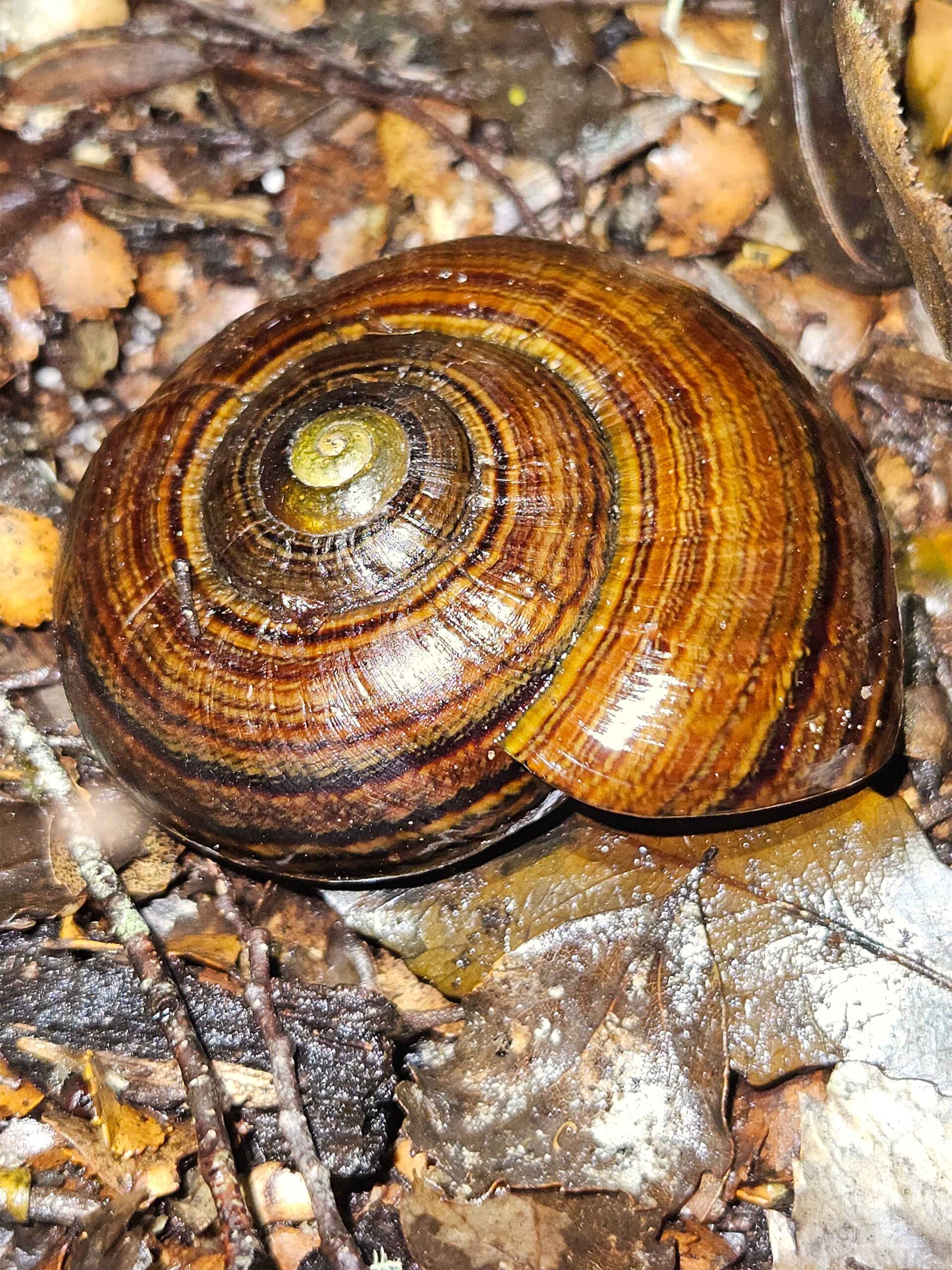
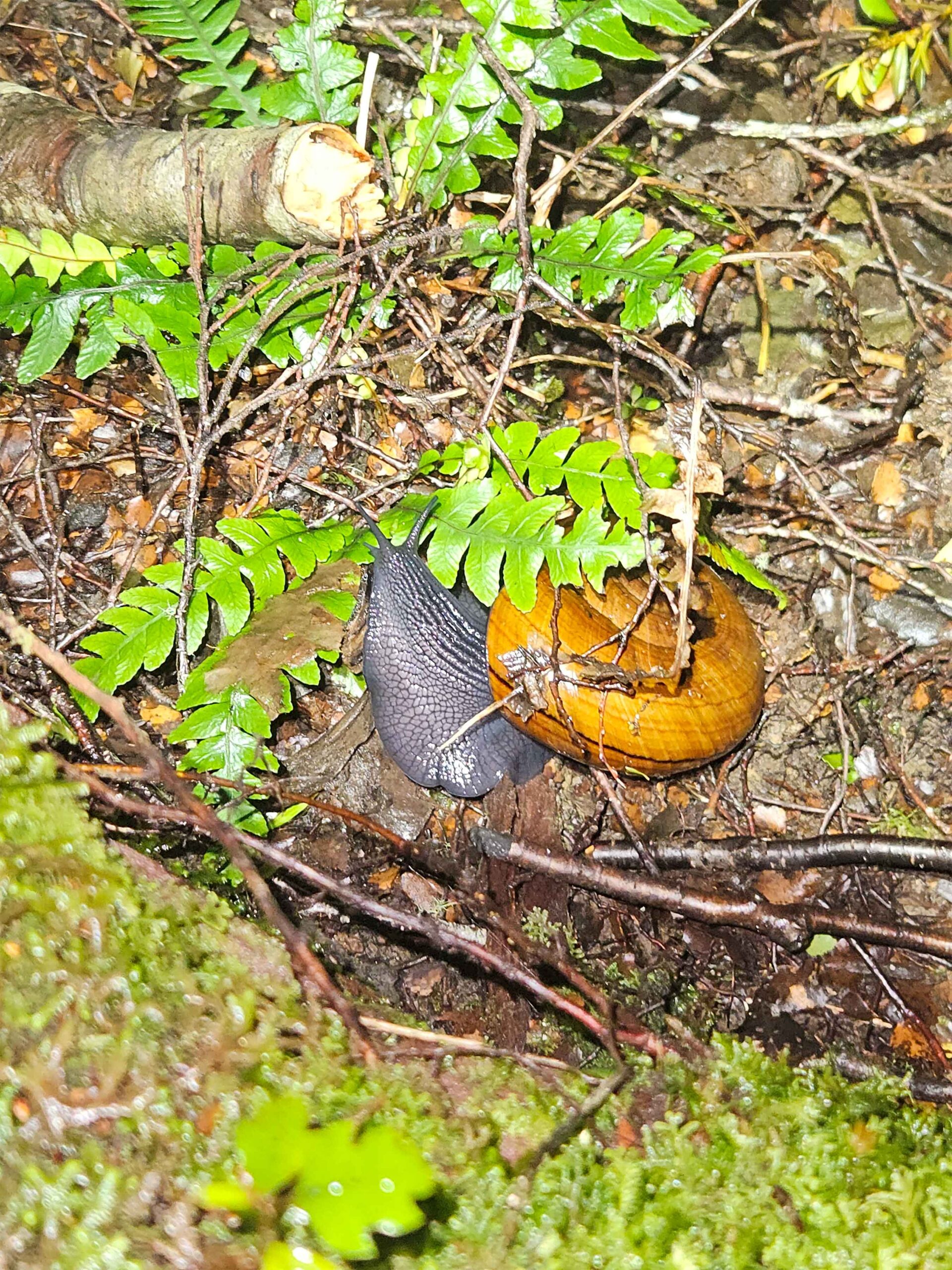
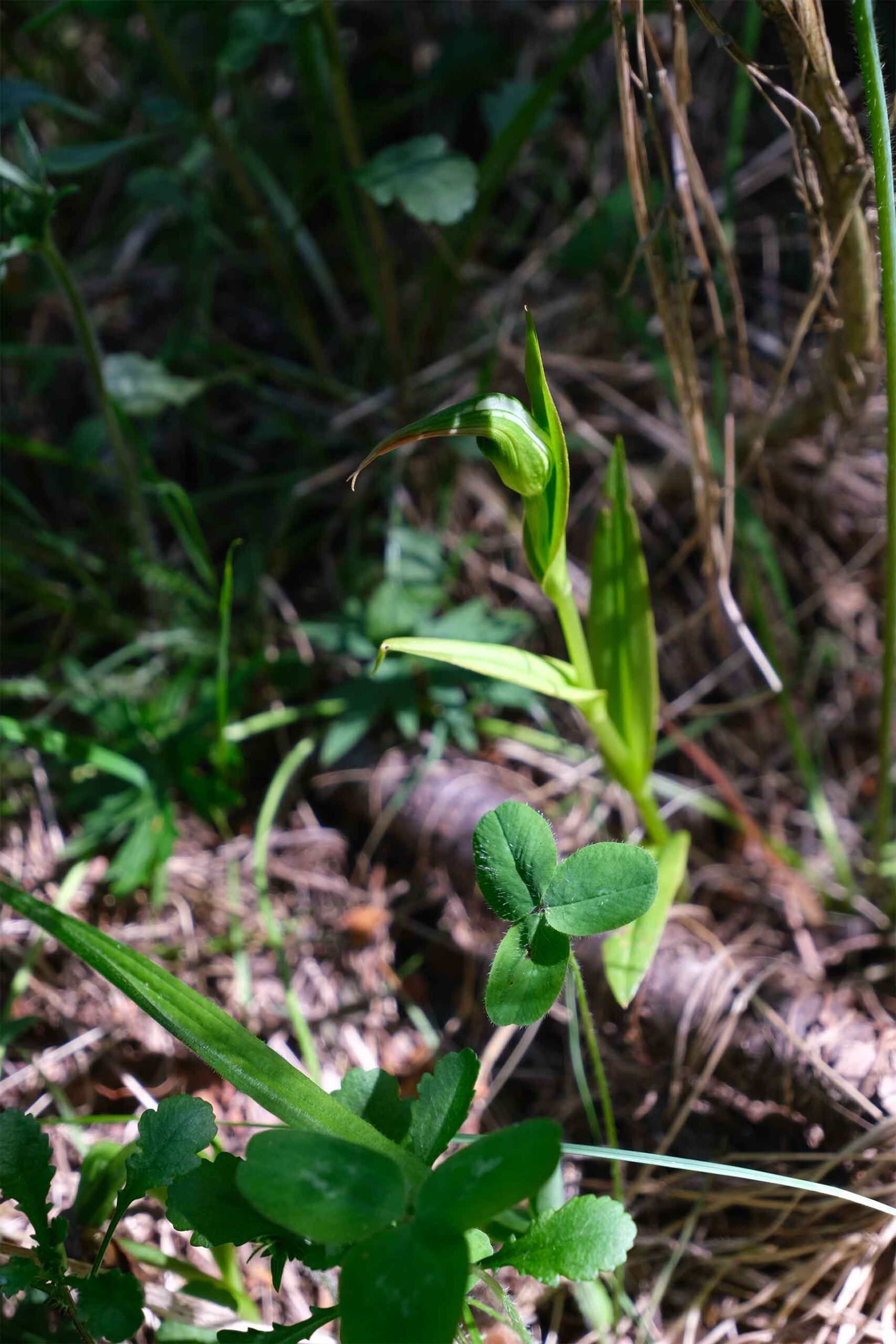
The Trust’s vision is to enrich its current biodiversity, which includes Powelliphanta snails, native lizards and insects, flora including orchids and rare native mistletoe, and stream and cave ecosystems.
“There’s generally somebody like me in every community,” says Charmaine, “they just need to be identified and supported sufficiently, but not through a Department of Conservation (DOC) or a vested interest lens. Trying to round up communities to fit a very hierarchical, top-down model doesn’t work. It’s convenient for big organisations and for government, if you can lump everything in together, but communities are so individual. You’ve got to establish what’s important to them and then they’re more engaged and feel like they’re being consulted right from the get-go. Community engagement isn’t someone saying this is what we think you should be doing.”
The idea for the Tākaka Hill Biodiversity Trust originated from a farm owner approaching Charmaine to ask if she thought local landowners might want to work together to support biodiversity. This led to a community meeting and the formation of the Trust, initially chaired by Charmaine.
Over the past eight years Charmaine has been working closely with DOC, the Tasman District Council and others, and gained a real sense of where biodiversity sits and how best to support the work required to enrich it. “I understand what’s achievable, given funding constraints, and given that we are at the bottom of priorities for the government,” says Charmaine.
Relying on volunteers is not the answer, she says.
“Research shows the average volunteer is over 55, retired, middle income, white and lives within about 10km of where they volunteer. Groups are struggling to find volunteers. Groups need money for insurance, websites, and administration… We are often called upon to give advice or feedback on predator, biodiversity, and wilding pine strategies.”
That expertise has a value and needs to be paid for, she says. “We are a partner. We need resourcing.”
Biodiversity bedfellows
With the limitations of relying on volunteers and existing funding models in mind, and with the awareness that biodiversity requires an outlook stretching across decades rather than years, the Trust is developing a biodiversity credit model through the Ekos BioCredita programme to support its conservation work. The Trust hopes its experience developing and selling credits will provide a blueprint for similar community conservation projects across Aotearoa New Zealand.
This is a departure from the funding model most conservation groups use, says Charmaine, and may mean developing relationships with unlikely partners. This could include large businesses who may not be seen as naturally aligned with biodiversity and sustainability, but Charmaine is adamant that this is the only realistic way forward.
“We have no qualms about taking money from organisations that are moving in the right direction as far as meeting sustainability development goals. We’ll be reaching out to people and businesses that you may least expect.”
This is not an offset scheme designed to enable companies to continue activities that degrade the environment elsewhere, however, says Charmaine.
“We’re developing biodiversity credits for the Karst Forest Sanctuary through Ekos’ BioCredits programme. We’re the only community conservation group in Te Tauihu developing biodiversity credits through the programme. We want to give organisations a way to make a measurable contribution to protecting the sanctuary. That could include exporters whose overseas customers want to see how they’re supporting biodiversity.”
Charmaine says that the Trust also needs to have a funding model that ensures that they aren’t subject to the priorities of any given government.
“Biodiversity is a long-term thing. We are developing 30-year projects that are ongoing and that need to be correctly funded for what it takes to restore a forest that’s incredibly special. Our aim is to reflect the true cost of biodiversity protection and restoration in New Zealand, and step away from the whole volunteer narrative that says that’s what’s going to deliver, because it won’t. It has a role, but it’s very small.
“Biodiversity costs money, and these are the reasons why people need to invest in it, because it underpins the economy, especially in the Top of the South, because of our, horticulture, agriculture, and tourism. If we don’t have a healthy, thriving environment all of that gets impacted right through to the water tables.”
Ravensdown was been an early supporter of the Trust’s biodiversity credit pilot having made a contribution of $50,000, half of which is specifically for the construction of the Karst Forest Sanctuary Fence. It also featured the Trust’s work in its 2025 annual report.
Ravensdown sold its Tākaka Hill quarry to local, family-owned business Taylors Contracting in 2025. The quarry now operates as Ngārua Lime & Marble and Charmaine says that Taylors has committed $10,000 in kind to build the Karst Forest Sanctuary fence platform. A stakeholder meeting about the building of the exclusion fence is planned soon, prior to the construction of the platform which is scheduled to start in January 2027.
“We hope to find other businesses of all sizes who are moving towards meeting their corporate sustainability goals and would like to partner with us.”
The Karst Forest Sanctuary
This big project for the Trust begins with constructing a 2.3-metre high exclusion fence around the perimeter of its four-hectare block with a lower hex-mesh layer to keep out pests including deer, goats, pigs and weka.
In addition to Ravensdown’s contribution, funding has been secured from the Lotteries Foundation and just this month (November) the New Zealand Transport Authority provided the remaining funding to enable to most challenging section of the fence to be completed.
This 125-metre steep slope above Summit Cave requires double-rope access and IRATA-qualified fencers. Fortunately, one trustee has the required qualification.
Once the fence is built, cat traps will be installed to catch weka, which need to be excluded to allow the environment to rebalance itself. Weka present a major threat to the Powelliphanta snails as they have learnt how to use their beaks to pierce the shells. Weka numbers are no longer kept in balance by some of the natural predators that would have been in the environment in the past.
The fence is designed to exclude ungulates (large mammals with hooves) and weka from the Karst Forest Sanctuary. Rats, stoats and possums can still enter the fenced area, so the Trust will trap all three species and monitor their activity using catch records, footprint tracking tunnels, and chew cards.
Establishing a baseline
An important aspect of the biodiversity credit system that the Trust is putting in place via specialist platform Ekos is establishing a baseline so that change can be measured.
“Credit buyers need to know that what they buy is what the Trust is selling, so the work needs a verified methodology,” says Charmaine.
For this to happen Powelliphanta (snail) populations are counted in an unfenced control area and in the sanctuary, with three to four surveys a year taken after the fence is built.
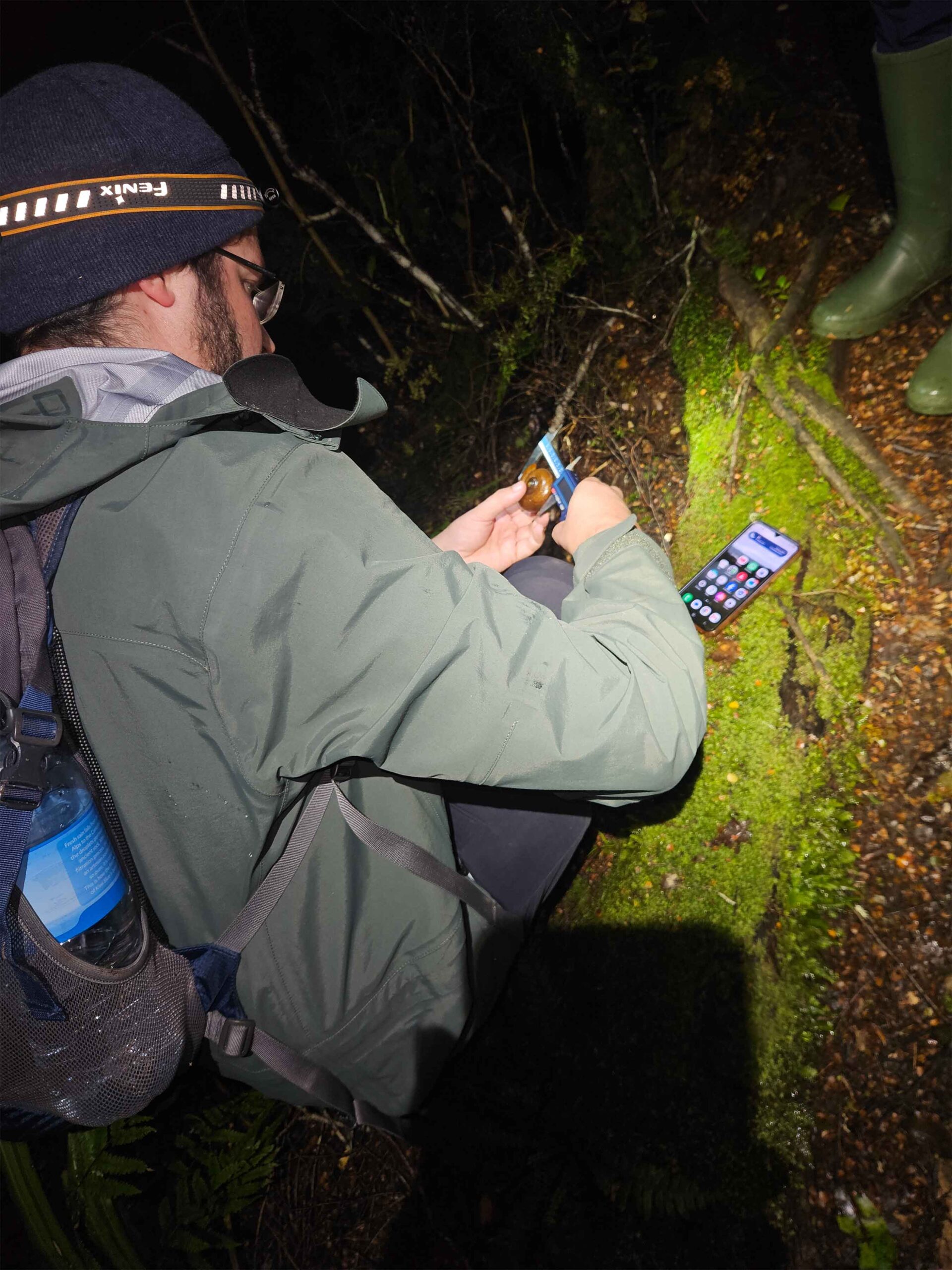
The snail methodology is being prepared by Kerry Walton, Te Papa’s curator of invertebrates, with an initial survey undertaken in October 2026 by Kerry, Charmaine and a postgraduate student.
Surveys use transect lines marked with reflective tape (which means the lines can be followed in the dark), and are done after a weather window ideally consisting of five days of dry weather, lots of rain, and then less rain. This is because if the snails haven’t fed for five days they will be out feeding and easier to spot. Surveying is done over two or three non-consecutive nights.
For each snail, the team records its distance from the transect line and its shell diameter (using electronic callipers). Photos of each snail are taken from several angles to identify individuals. Snail shells are very individual in terms of their swirls and markings and signs of injuries from encounters with predators. Further survey work is still needed to establish the sanctuary ‘s snail population baseline.
To measure a baseline for biodiversity of flora five vegetation plots have been set up in a control area and within the forest sanctuary. Each plot is one metre wide and 20 metres long and they are in various habitats within the sanctuary with the control plot in an unfenced forested area of the Tākaka Hill Walkway.
“We’ve surveyed for every plant that’s growing in the plots, and then in five years’ time, we’ll go back and survey it, and we would expect to see a much more denser, understory starting to come through in the Sanctuary.
We also monitor cave entrance plant colonies. “They’re specialised because of the varying light levels created by the forest canopy around the cave. If the forest canopy layers aren’t there the cave entrance plant colonies looks quite different and the cave animals disappear. The cave has weta and there are specific plants that grow in a cave entrance. So that’s been monitored and as the forest canopy grows up thicker we will re-survey that to have a look at how all those cave entrance plants are doing.
“These are the kinds of measures we can use to demonstrate an increase in biodiversity, which is what the people are buying when they purchase biodiversity credits from us. That income then pays for us to maintain and restore and continue to monitor the sanctuary.”
Redirecting foot traffic
Of course, the Trust are not the only users of the Tākaka Hill Walkway. A new Via Ferrata route on the hill was established in 2025 and has attracted thousands of enthusiastic climbers to date.
In the spirit of collaboration Via Ferrata route founder Till Middelhauve will provide information signs at the entrance to the path to the route explaining the sensitive nature of the Trust’s forest block and what it is hoping to achieve there.
When it became clear that the original path which led through the block to the Via Ferrata would have a significant negative impact on flora and fauna due to foot traffic he also established a new pathway to redirect Via Ferrata users.
This means that the Trust now has a well-constructed path to use for its monitoring activities and to provide controlled access into the block for volunteers, visitors, and secondary school groups, such as education about sustainability for senior students, and biology and social science programmes of learning, so that people with a passion for biodiversity can experience an enriched forest environment.
“We want to provide a forest that people can walk through and experience in its entirety, and one that’s not impoverished. If you walk through to Harwood’s Hole or Cobb Valley or anything like that you’re seeing a forest in decline because of the deer browsing and goats. A forest that you can walk through is not how it should be. Whereas Karst Forest Sanctuary has already got good bones, and it’s got a track that goes all the way through that people will be able to walk along and maybe see one to two metres either side of the track.”
That kind of real world experience and the education that comes from it is vital, says Charmaine. Sustainability education is not a core curriculum subject, she says, and few schools teach it. As a result, she fears, future decision makers may lack the environmental literacy to connect the environment with business and sustainable development goals. “Information is not education. Education is a learning process.”
Our walk
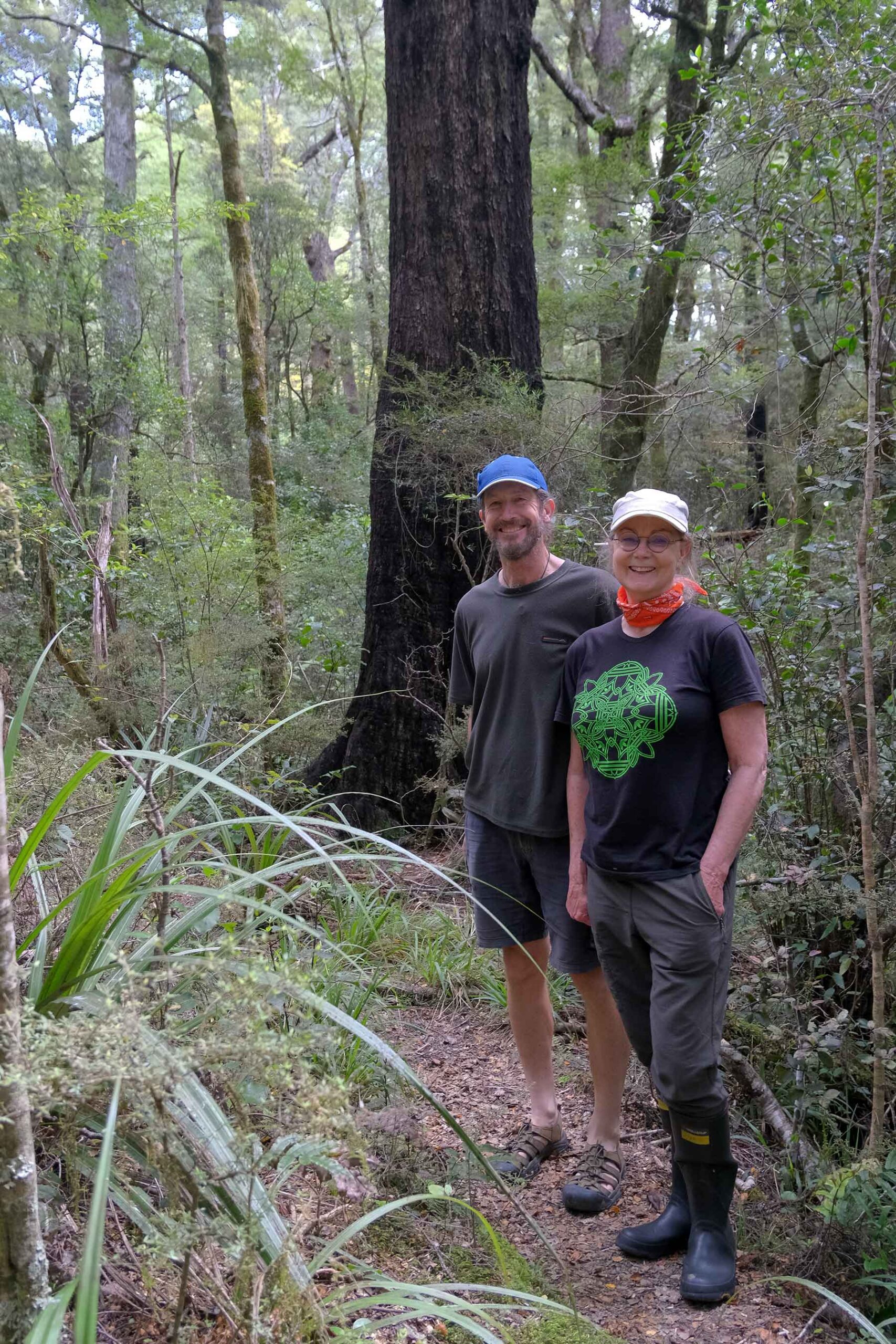
We were treated to our own walk through the Sanctuary with Charmaine and her husband Norman as our guides. The pace was slow and we were mindful of creating minimal disturbance, stopping often as the couple excitedly identified plants, to listen to the bird calls, and to admire the signs of progress around us.
The fact that our visit coincided with Charmaine’s birthday made it extra special. We were honoured that Charmaine had taken the time to spend with us – and had even baked a delicious carrot cake to share (apparently Charmaine’s baking is a regular feature of Trust meetings!).
That is characteristic of Charmaine’s approach to her work on behalf of the Trust, which she believes is all about relationships and community.
“Communities need to be involved from the start and have a real say in what matters to them. That’s how we achieve lasting biodiversity gains on private land. We also need to recognise that the work costs money. Trapping and monitoring take people, time and equipment, and they need ongoing funding.
“In our case we border Kahurangi National Park and Abel Tasman National Park so what we are doing here acts as a halo and shores up the work that the DOC and others such as the Birdsong Trust working in the Abel Tasman are doing in those Public Conservation Land areas.”
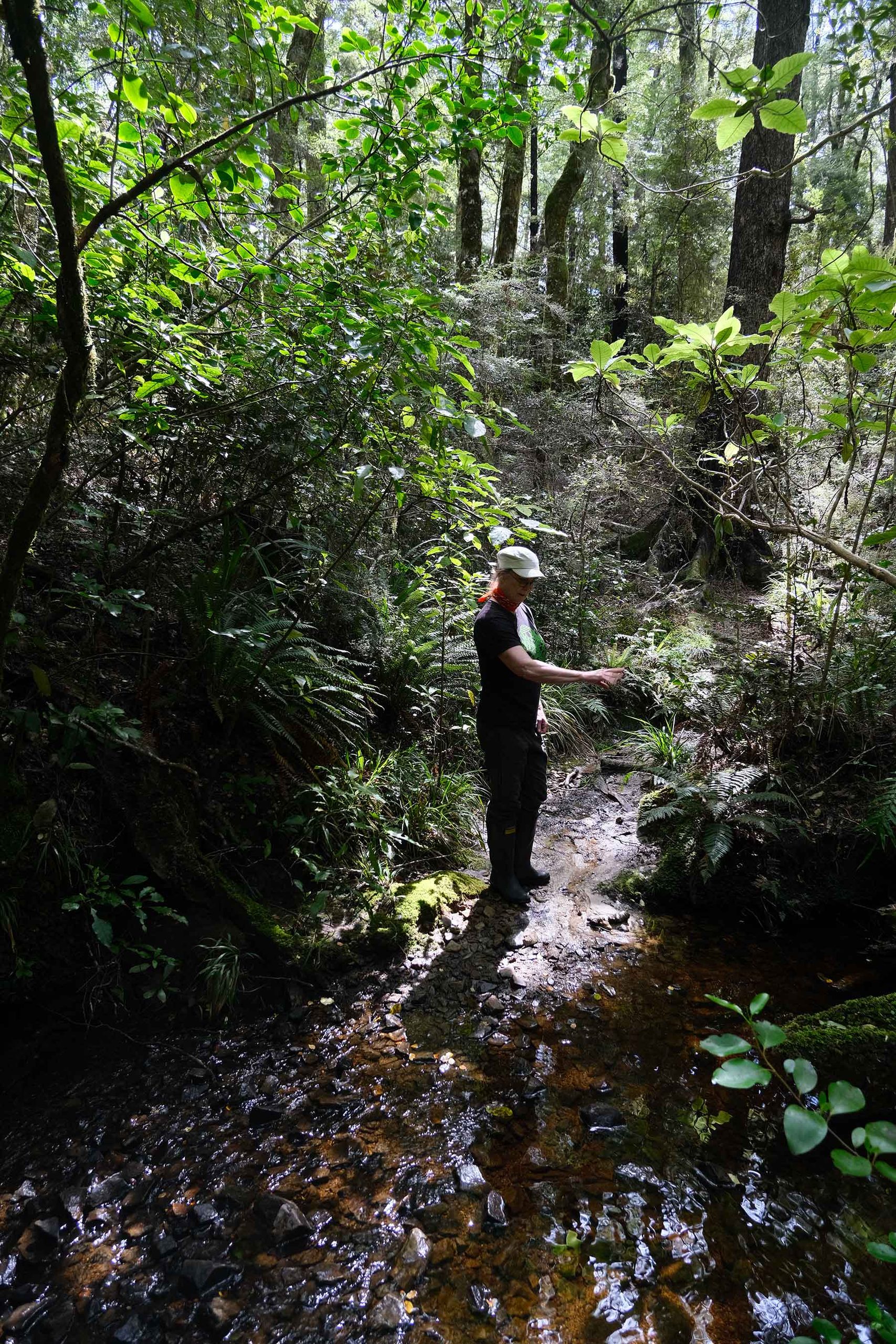
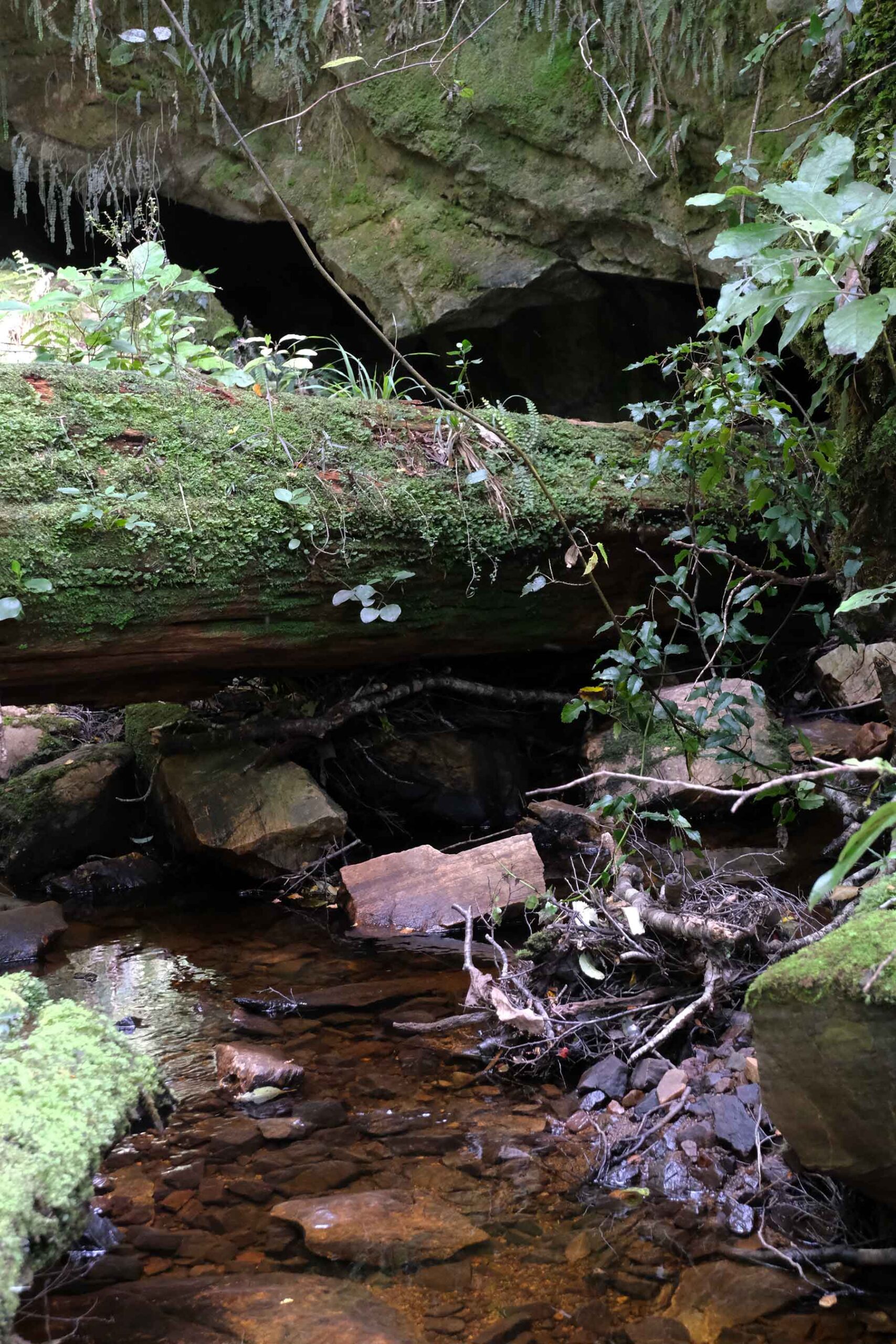
We stop at the side of a stream that runs through the forest and Charmaine tells about the invertebrates under the rocks in the stream. Her passion is evident and we can hear the excitement in her voice and see the animation in her hands as she points out features of the environment around us.
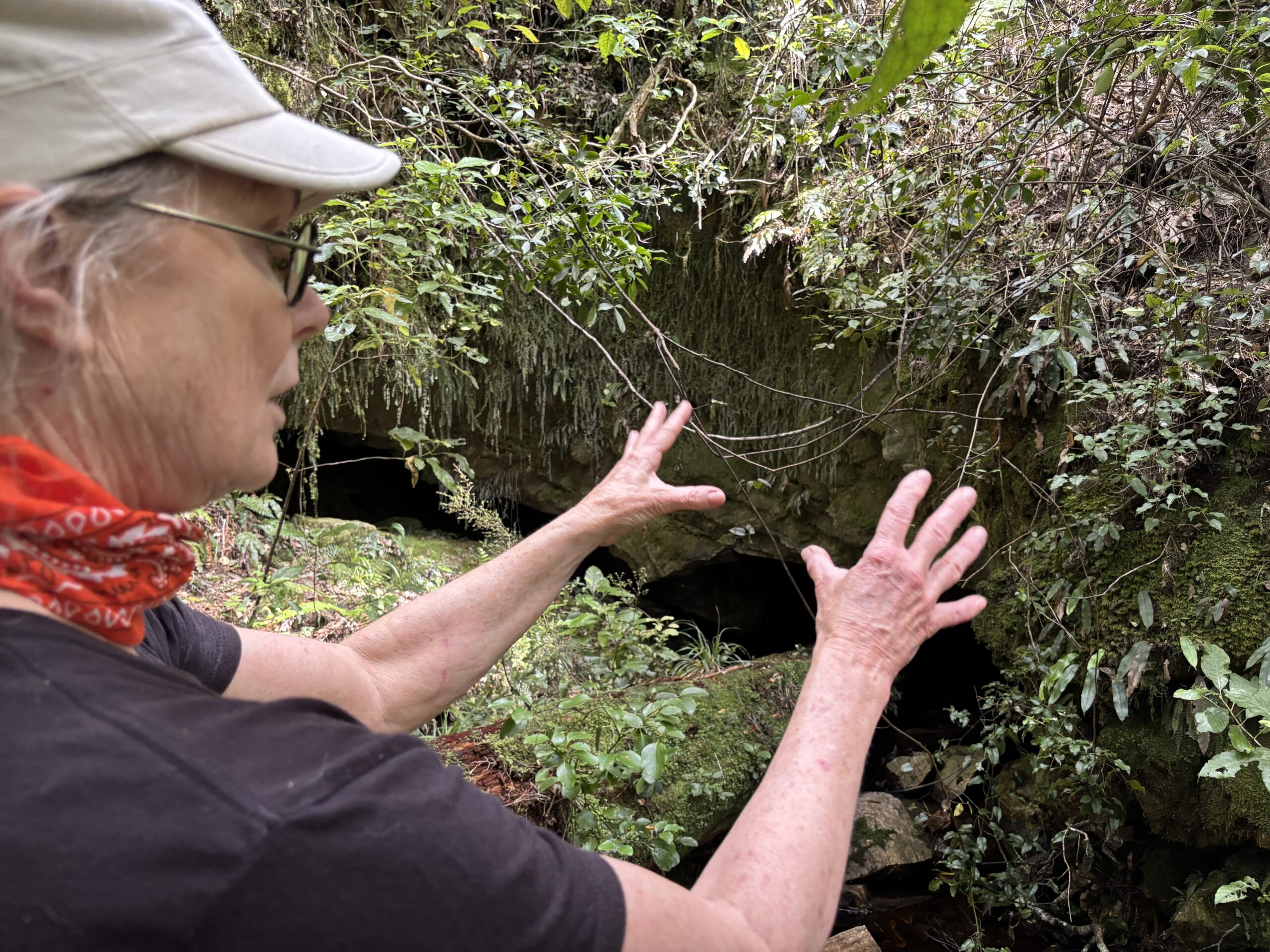
We look at the hanging plants nurtured by the filtered light coming through the canopy. They are draped around the mouth of a cave and Charmaine tells us there are weta inside, but we won’t go in and try to see them. It’s enough to know they are there. Not disturbing them is the whole point.
What is being protected?
- Powelliphanta hochstetteri (brown base) land snails (found on the Tākaka Hill walkway), currently threatened by climate change, rats, weka, and pigs.
- Rare plants, including scarlet mistletoe and yellow mistletoe (which has been successfully transplanted into the block).
- Two rare ecosystems: cave entranceways and cave vegetation.
- A forest with “good bones” including a stream that flows through to Summit Cave and on to the Riuwaka resurgence, natural filtered light that encourages sapling growth and limits invasive weed growth
- And much, much more….
(Snail photos and surveying photo courtesy of the Tākaka Hill Biodiversity Trust)